


“Sfânta Troiţă” Monastery of Feleacu

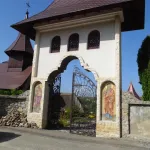
Manastirea Feleacu, cu un complex de cladiri albe si acoperisuri de culoare inchisa, avand o poarta ornamentata si ziduri din piatra.

In the 11th century, in Feleacu village, located at about 8 km from Cluj-Napoca, a monastery was attested. According to historical research, the existence of a new monastery is identified in 1581 and functioned until the 18th century, when the Habsburg authorities decided to close it.

The re-establishment of the Holy Cross monastery was decided in 1991, when Archbishop Teofil Herineanu approved the request of the Feleacu community. The re-establishment of the monastery was not carried out on the old location, but in the middle of Feleacu village out of desire that the episcopal church of St. Paraskeva founded by the voivode of Moldova, Stephen the Great, be included in the new monastic ensemble.

The construction of the new worship place started in 1994 according to a project by the Cluj architect Ioan Arboreanu. The church is a monumental building made in the Moldavian style, with elements of Brancoveanu style. The monastic complex includes, in addition to the two churches dedicated to St. Pious Paraskeva and Holy Cross, a chapel dedicated to St. Voivode Stephen the Great of Moldova, a body of cells and a museum house. The house is a reconstruction of a house specific to the Feleac area from the 19th century and was built between 2008-2010.

“Adormirea Maicii Domnului” (The Assumption) Monastery of Nicula

Nicula Monastery

In the hillside of Nicula village, at about 7 km from the city of Gherla, was developed a monastery which was to become one of the most important monastic centres of Transylvania.
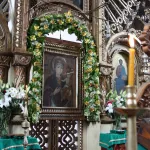
The year of 1699 is marked by a miraculous phenomenon: the icon of Virgin Mary, painted by the priest Luca from Iclod weeped between the 15th of February and 12th of March 1699. Currently, 15th august of each year is the date of the largest pilgrimage in Transylvania, with the celebration of the Assumption, patron of the monastery.

In Nicula monastery area an iconographic center of painting on glass develops, technique imported from Austria, Bohemia and Bavaria. But the difference between the icons of Nicula School and those from Western Europe consists of specific stylistic elements related to the fact that most authors were anonymous craftsmen coming from rural areas, and as a theme is approached almost exclusively the religious theme.

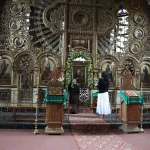
The first documentary record indicates the existence of a wooden churche in Maramureş style, dedicated to the “Holy Trinity” which was destroyed by a fire in 1973, being replaced with a wooden church of the 17th century.

The first church of wall is erected between 1875-1879-1905, a large building with two spires above the narthex. The iconostasis which has in its centre a miracle-making icon of the Virgin Mary is carved in lime.

Currently, besides the wooden church and the stone church was built a monumental church in Brancoveanu style and an architerctural ensemble designed to become a center of patristic studies and creative workshop for continuing the tradition of the glass painting school of Nicula.

Nicula Monastery has a museum endowed with a rich collection of glass icons of Nicula, Făgăraş, Schei of Braşov and with wooden icons from Maramureş and Someş dating from the 16th and 17th centuries. Also, the museum holds a collection of religious books, sculptures in wood and roots, ceramics, fabrics, towels. 

Website: www.manastireanicula.ro

Gheorgheni Park (Iulius Mall)

Alea pietonală pe malul lacului din Parcul Gheorgheni, Cluj-Napoca, cu clădiri moderne și spații verzi.

The park is found in the vicinity of the commercial centre with the same name, having been recently rehabilitated. It spreads on an area of 3 ha, in the area of Gheorgheni Lakes.

Besides the rich vegetation, the park also offers numerous recreation opportunities: traffic island suspended above the lake, cycling and running track, promenade alleys and spaces for relaxation.

“Iuliu Haţieganu” University Sports Park

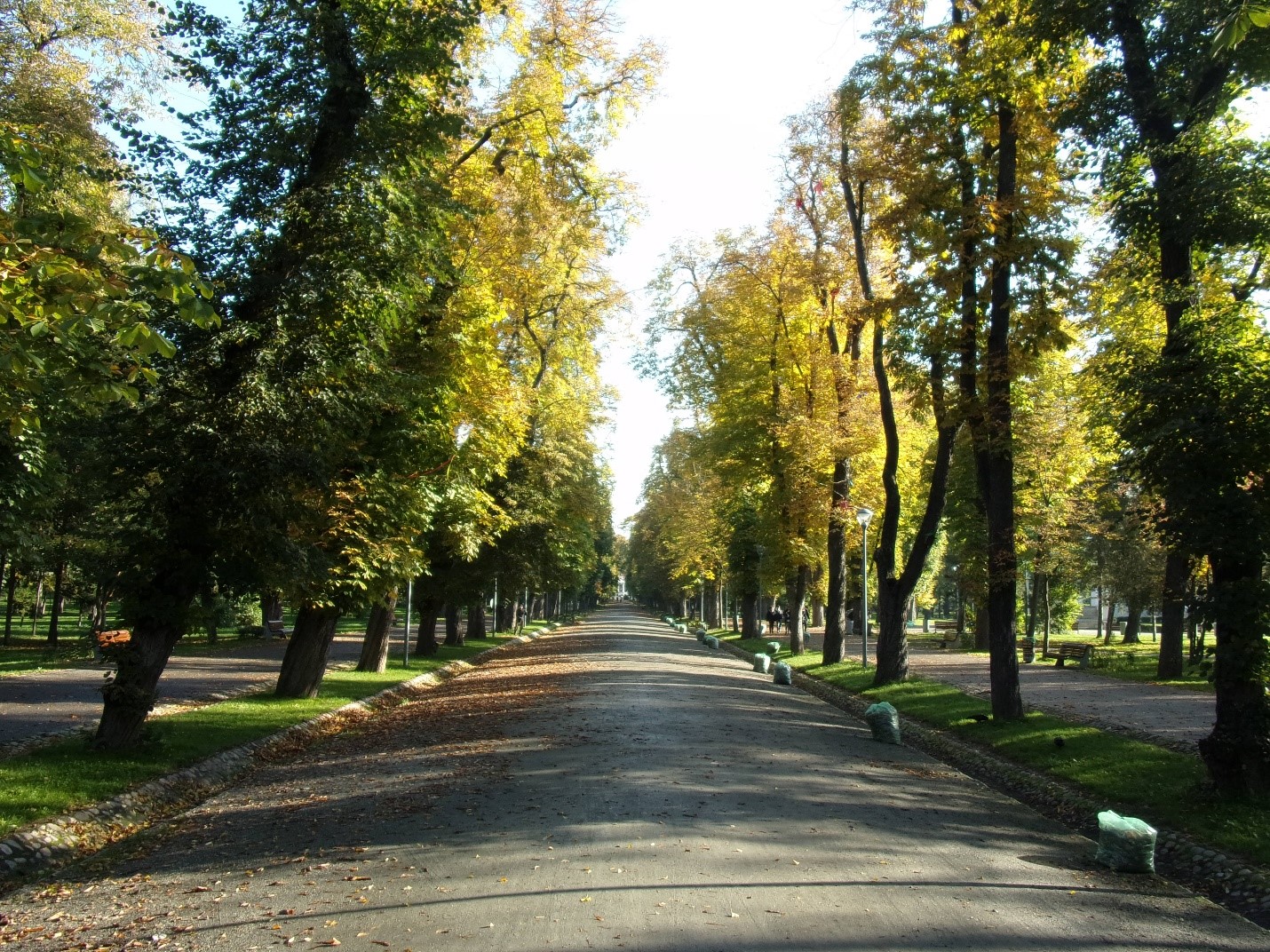
Alee umbrită de copaci în Parcul Sportiv Universitar Iuliu Hațieganu, unde oamenii se relaxează pe bănci și în natură, într-un cadru verde și liniștit.

The park is also known as “Babeş” Park and belongs to “Babeş-Bolyai” University. It was built between 1930 and 1932, at the initiative of the illustrious professor Iuliu Haţieganu, the rector of Cluj University, who wished to offer the young people of Cluj, in particular to the students, the possibility to access a park equipped for recreational activities.

The initial project of the park was rewarded the bronze medal at the “Sports Architecture Exhibition” in 1936 at the Olympic Games from Berlin.

Positioned along Someş river, the park has an area of 25 ha, of which more than half is represented by green areas with alleys, greenswards with flower patches, areas with trees and scrubs, thus also serving as a promenade area, as well as a sports one.

Recently modernized, the park offers a covered swimming complex, an athletics room, a room for sport games, aerobics room, bodybuilding room, athletics track, football pitches with lawn and clay, rugby pitch, mini-football pitch with a synthetic and nocturnal area, tennis pitches with clay and bitumen.

„Cetăţuia” (Fortress) Park

Vedere aeriana a orasului Cluj-Napoca, surprinsa din Parcul Cetatuia, cu zone verzi in prim-plan si orasul extins pe fundal, sub un cer senin.

The Fortress is the place with the most beautiful panorama of Cluj-Napoca and an important belvedere tourist point. Located at an altitude of 405 m, it has the appearance of a plateau on which the first Vauban-type fortification in Transylvania was built by the Habsburgs in the 18th century. The fortification was also used as a prison, especially during the Revolution of 1848, where the well-known saxon pastor Stephan Ludwig Roth, one of the heroes of the Revolution, was imprisoned and executed.

Part of the walls, a few buildings and two gates have been preserved from the fort. In 1995, it was built up on the hill, a monument in the form of a cross, dedicated to the “Heroes of the Nation” – martyrs of the Revolution of 1848.

As facilities, the “Cetăţuia” Park offers a sports field, free access fitness equipment, walking alleys and a terrace with bar. Also, as a landmark on the Citadel of Cluj is Belvedere Hotel, a massive building that is visible from many areas of the city.

“Simion Bărnuţiu” Central Park

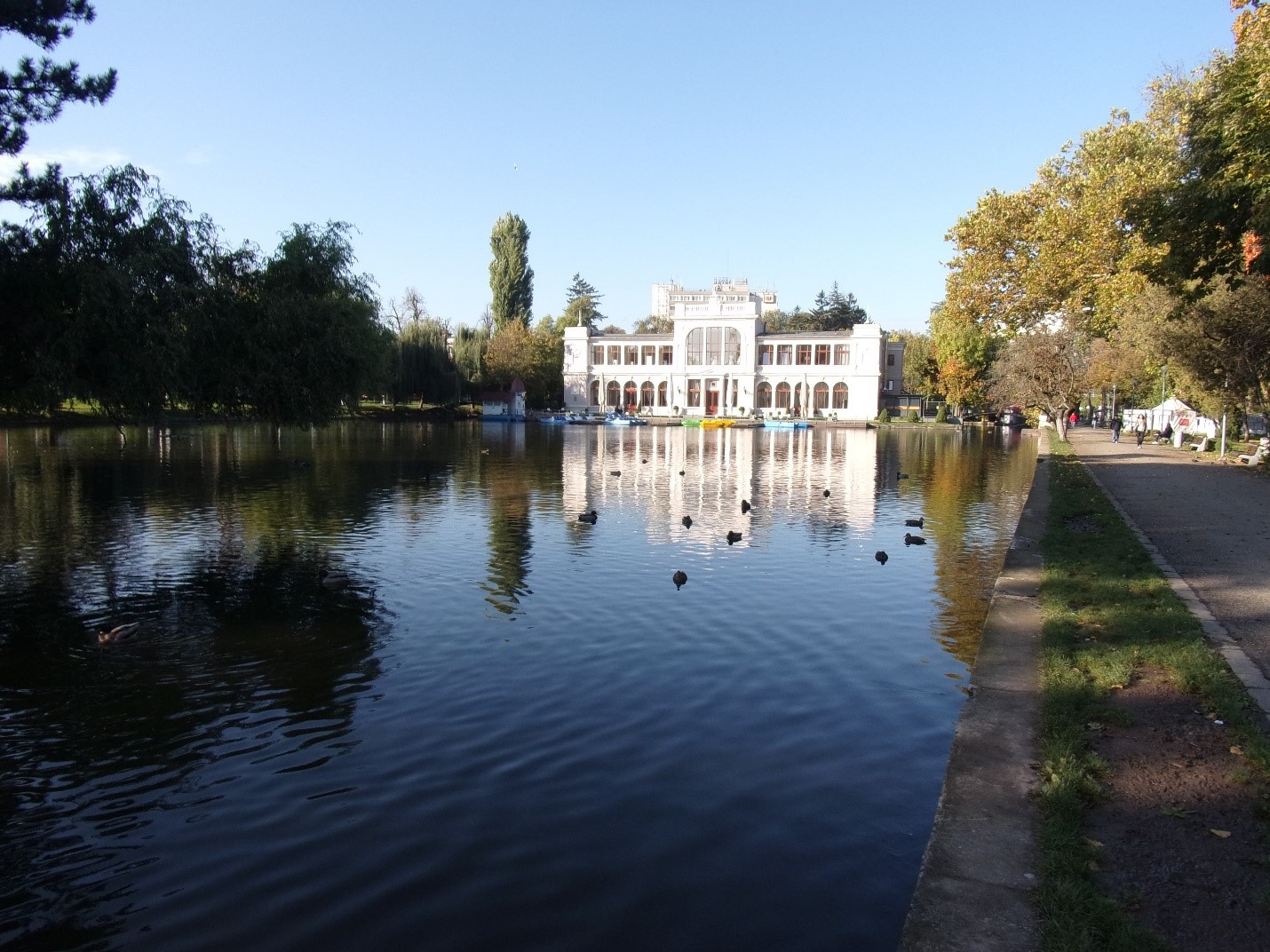
Vedere asupra lacului din Parcul Central Cluj, cu clădirea Casino pe fundal și rațe plutind pe apă, într-un cadru liniștit și verde, sub cer senin.

The Central Park, publicly called the “Great Park”, is opened to the public since 1830, initially being called the People’s Park. Later, the alleys and the lake have been arranged and in 1874 the Summer Theater is inaugurated, today the headquarters of the Hungarian State Theater. After 1989, the park was named “Simion Bărnuţiu”Central Park.

Everyone who passes the threshold can be recreated using the multitude of possibilities offered by the park. The outdoor setting offers, besides the flora, a basketball court with night lighting, free access fitness equipment, an artesian fountain surrounded by benches, a specially designed children’s park and a restaurant. In the park you can also find statues of famous romanian personalities such as Antonin Ciolan, George Coşbuc, Liviu Rebreanu, Octavian Goga, Sigismund Toduţă.

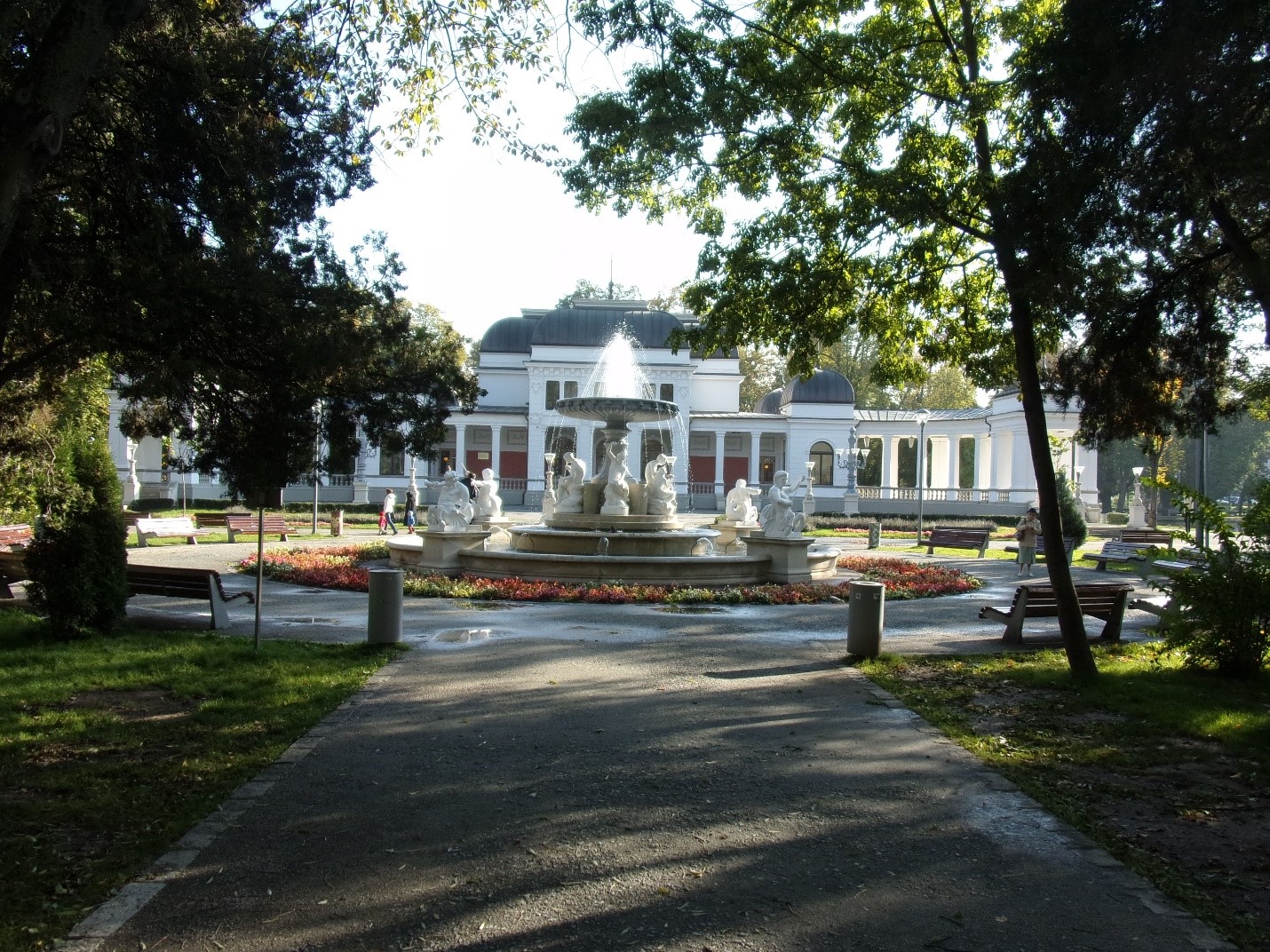
Among the main attractions are the Casino Building and the lake. In the summer, you can take boat and pedal-operated bicycles rides on the lake, and in addition to the artesian fountain, symphonic music concerts are organized and civil marriage ceremonies are held.

Undoubtedly, the Central Park remains the most important promenade place for Cluj residents and the main host of the most important events in Cluj-Napoca: Untold, Jazz in the Park, Sports Festival, part of the Cluj Days activities and others.

Website: www.facebook.com/ParculCentralCluj

“Alexandru Borza” Botanical Garden

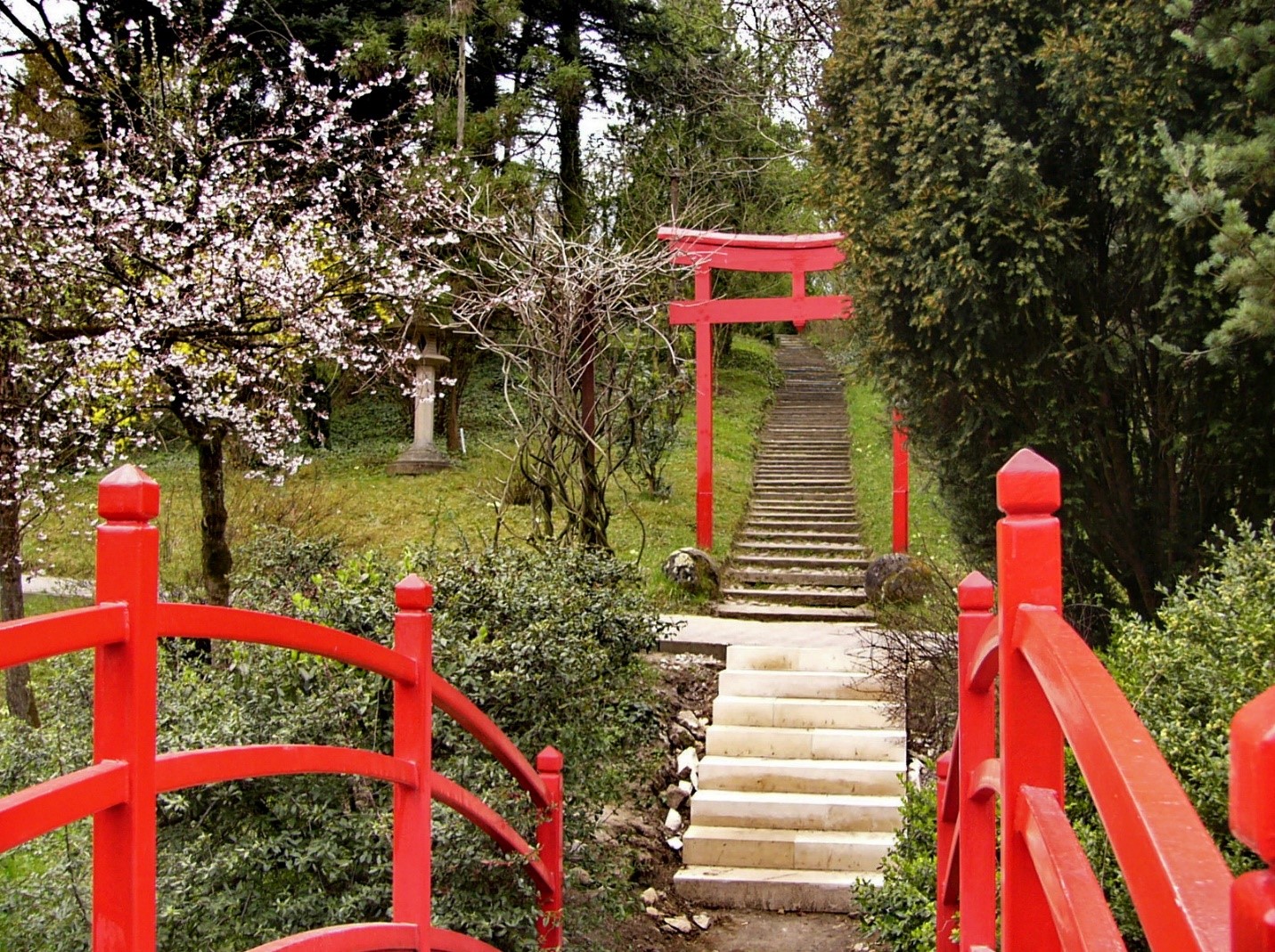
Alee cu elemente arhitecturale tradiționale japoneze roșii în gradina botanica Alexandru Borza înconjurată de vegetație și copaci înfloriți, oferind un cadru relaxant și armonios.

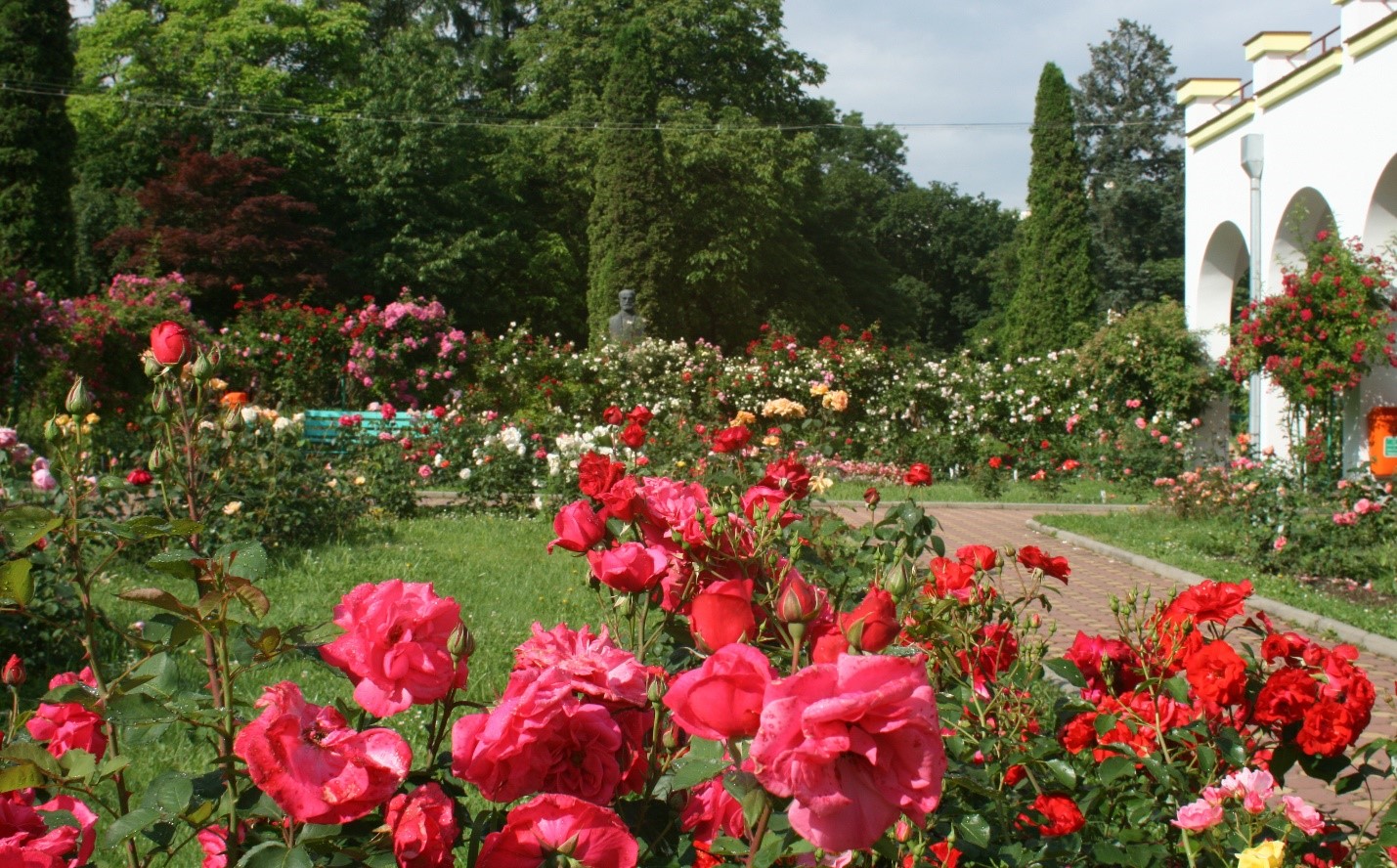
The Botanical Garden was founded in 1920 by Professor Alexandru Borza, a remarkable personality of romanian biology and is subordinated to the “Babeş-Bolyai” University. The garden occupies an area of ​​14 ha having various plant collections counting about 10,000 species. The space is divided into several sectors: ornamental, phytogeographic, systematic, economic and medicinal, each with its own specificity.

A special attraction is the Roman Garden, dominated by the statue of the goddess Ceres, by various archaeological pieces discovered in the Roman municipality of Napoca and is populated with plants that used to grow in the Roman gardens. Also, the Japanese Garden is organized in a traditional Japanese style and includes Japan-specific landscape elements. The area is landscaped with plants brought from the East.

Inside the Botanical Garden is located the Botanical Institute, the Botanical Museum and the University Herbarium, which houses 750,000 sheets of pressed plants from all regions of the globe.

Website: www.gradinabotanica.ubbcluj.ro

“Butterfly Hill” Nature Reserve

Fluture albastru așezat pe frunze verzi în Rezervatia Naturala Dealul cu Fluturi, un habitat bogat în vegetație și specii diverse de insecte.

The Butterfly Hill is a natural reservation of floristic and faunistic type located in the southeastern part of Cluj county, in Viişoara commune. It’s name is due both to the richness of butterfly species, but especially by the presence of some very rare species.

The protected area is an area of ​​pastures and meadows that houses a wide variety of butterflies (from which over 150 species of the Lepidoptera order), as well as several species of plants, including astragalus, sage, jurinea or tartan.

“The reeds from Sic” mixed nature reserve

Colibă tradițională din lemn în rezervatia naturala stufarisurile de la sic, înconjurată de stuf și vegetație verde, cu dealuri pe fundal.

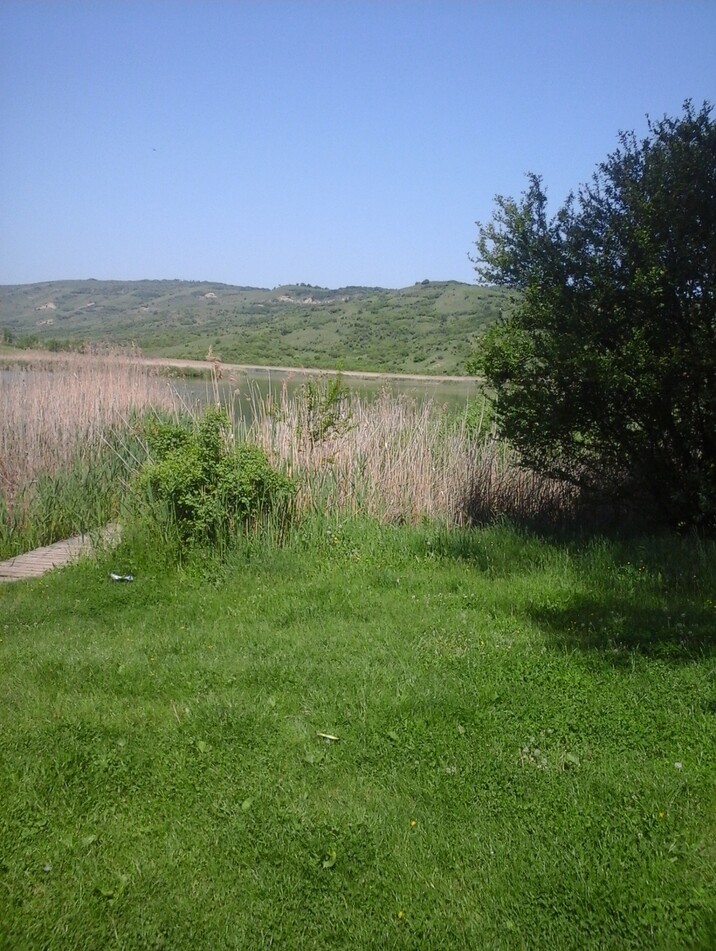
The reeds from Sic are a natural reservation of avifauna type located in the Sic village, on the Fizeş valley, made of reeds, salt soil, steppe meadows, wet meadows, swamps, ponds, with reed and rush vegetation. They form a mosaic of ecosystems that support a special biodiversity. It is a complex nature reserve that includes distinct areas like: the reed massif of the Sicului valley, the marginal salt soil habitats, pastures and hayfields.

The reeds from Sic shelter and provides favorable conditions of survival for a great diversity of pond migratory birds, among which: the little crocodile, the pond owl (Botaurus stellaris), the grey heron, the coot, the egrets, etc.

The compact reed from the Coast valley and Sicului valley represents the reed massif with the largest surface in Romania, after the Danube Delta.

„Pike Lake” Mixed Nature Reserve

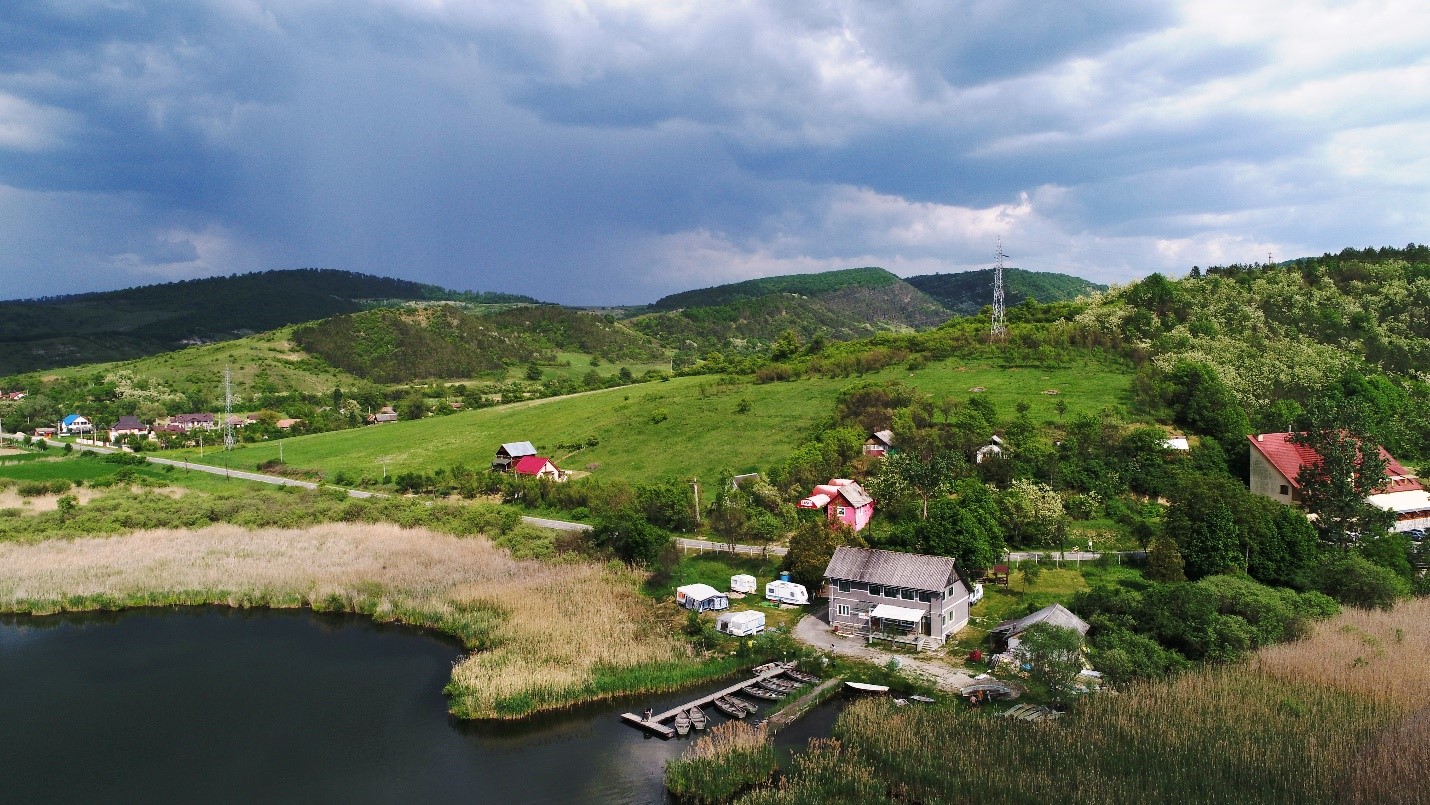
Peisaj din Rezervatia Naturala Lacul Stiucilor, cu lacul in prim-plan, vegetatie bogata si dealuri verzi pe fundal, sub un cer dramatic cu nori intunecati.

The “Pike Lake” reservation is located in a wetland, in the western part of Săcălaia village, in the administrative area of ​​Fizeşu Gherlii commune. It is the deepest natural sweetwater lake of Transylvania, about 10 m. It was formed by dissolution and pressure-collapse, as a result of the lake basin location on a salt massif, originally having salt water. Due to the alluvial deposits on the slopes, the salt was isolated from the water by an impermeable layer of sludge, the process of dissolving the salt being stopped, and the water became sweet.

Pike Lake is the only lake in Transylvania on which plaur (floating reed islands) is formed, just like in the Danube Delta. That is why it was also called the Transylvanian Delta. The sweetwater lake, with an area of ​​26 hectares, is constantly fed by the streams and springs nearby. It is populated mainly with pike, but also with carp, perch and bream, we also find lake vegetation, which includes floating islands (plauri) covered with reeds. The reservation also hosts species of birds, including: the pond owl(Botaurus stellaris), the dwarf heron, the reed heron, the great owl, the screaming eagle, many species of butterflies as well as mammals (fox, deer, wild boar). It is also met the horned beetle, a rare species of invertebrate.