




Ortodox Egyházmegyei Palota

The Diocesan Palace of the Metropolitanate of Cluj, Maramureș and Sălaj was built in 1887 as the headquarters for the State Forestry Administration during the Austro-Hungarian monarchy. Between 1918-1933 it was the headquarters of the Forestry Directorate, and after 1933 the building was transferred by the Romanian state to the patrimony of the Orthodox Episcopacy of Vad, Feleac and Cluj, since the Episcopal Cathedral had been built nearby.

The building is located on the eastern side of Avram Iancu Square and is made in neoclassical style with two massive towers that stand out in the architectural structure of the area, the main entrance being flanked by four doric columns that support the balcony above.

„La Poduri” vizes élőhely

The La Poduri wetland, located at 1600 m altitude is included in the Gilău-Muntele Mare Mountains group and is located, administratively, in the Valea Ierii commune. It covers an area of ​​approx. 20 ha, being an oligotrophic peatland, formed by the accumulation of peat in conditions of high humidity and acid soil.

Rare plant species grow here, such as the sky dew, a carnivorous plant adapted to nutrient-poor soils. The area is important for biodiversity and offers a spectacular landscape, with vegetation specific to high-altitude swamps.

A thematic trail has been set up in the La Poduri wetland area, destined for tourists and created to stimulate the practice of sustainable tourism.

Mamutfenyő

Sequoia trees stand out both for their size and appearance, as well as for their impressive lifespan (up to 5,000 years). At maturity, these giant trees can reach a height of 145 meters, with a trunk circumference of 38 meters.

The famous Sequoia tree of Rogojel is located just 80 kilometers from the city of Cluj-Napoca, between the villages of Săcuieu and Rogojel at the foot of the Vlădeasa massif. It was planted by Baron Gal Silvestru, who was a great enthusiast of dendrology. Today the tree is approximately 40 meters high, dominating Dealul Domnului where it has been located for more than a century.

Vasútállomás Palota

The Cluj-Napoca Railway Station Palace is one of the most representative buildings of the city, marking its transformation into a modern urban space. The foundation stone of the building was laid on January 7, 1869, and the station was inaugurated in the fall of 1870, when the first train on the Oradea-Cluj route arrived at the station.

In 1902, a new building of the railway station was built, in eclectic style, dominated by a hall that is still the transit space between the station platform and the city. The fundamental artistic element of the Railway Station Palace is the large glazed portal, rounded at the top, corresponding to the hall space, a specific element of the great European Railway Stations.

MINA Cluj Múzeum

Cím: Orăștiei utca, 10, Cluj-Napoca

E-mail: [email protected]

Web: www.minamuseum.com

Órarend:  Wednesday – Friday   12:00 – 21:00,   Saturday-Sunday 10:00-21:00


MINA, Museum of Immersive New Art is the largest immersive art center in Europe.  With an area of ​​over 4,000 square meters, indoor and outdoor, MINA offers visitors a multisensory experience through 360° projections and interactive installations.

The public can explore the universe of classical or contemporary artists, but also can travel to fascinating worlds through educational shows that reveal the mysteries of the cosmos and other hard-to-reach realms.

Dedicated to all ages, MINA Cluj offers a combination of art and technology that inspires, surprises and fascinates. Monumental projections and interactive installations for children bring to each visitor a memorable experience.

A Babos Palota

Babos Palace is one of the most representative buildings of Cluj from the end of the 19th century. The palace was built in the shape of the letter V and belongs, together with the Elian, Berde and Szeki palaces, to the architectural complex that frames the Horea bridge. It was designed by the Cluj architect Pákey Lajos and named after the first owner – Babos Sandor. It is a monumental building that combines elements of eclectic architecture belonging to the neo-gothic and art nouveau styles. The palace had the role of a commercial building, with various shops operating on the ground floor. Upstairs, until 1944, was the Guild of Fine Arts, under the patronage of the Reformed Church.

Clyde Town Museum

Address: Valea Radului Street, no number, Cluj-Napoca

Phone: (004) 0751-616.094

Web:  https://clydetown.ro

Schedule: Friday–Sunday: 12:00–21:00, Wednesday–Thursday can be visited by appointment in an organized group of at least 20 people

Clyde Town is organized as an open-air museum, unique in Romania, with typical old wooden buildings (store, bank, church, blacksmith shop or sheriff’s office) and cobblestone streets, recreating the atmosphere of the West Mississippi saloon era. Also, this typical american Wild West town includes a children’s playground and a fast food zone and covers an area of ​​3,000 square meters.

Iancului Cross from Mărișel

Crucea Iancului Mărișel, monument dedicat memoriei lui Avram Iancu, simbolizează rezistența și lupta pentru libertate

Iancului Cross is a monument commemorating the sacrifice of the Mărișel locals and the troops led by Avram Iancu’s tribuns in the battles of March 12 and July 6, 1849. In 1924, brothers Gavril, Ioan and Vasile Crișan built a first monument, a wooden cross , on the 100th anniversary of the Avram Iancu’s birth (1824-1872); this cross was replaced by a stone one which, during the hortyste administration, was removed and hidden in the village. After the restoration of the Romanian administration in 1944, the locals, together with the Someș battalion reservists from Beliș, built a new crucifix on the place where those two monuments were. It has become the place where, every year, the moți people from the Mărișel area are celebrating their heroes.

The monument of the Bobâlna Uprising

Monumentul Răscoalei de la Bobâlna comemorează revolta țărănească din 1437, simbol al luptei pentru dreptate și libertate.

The Bobâlna Uprising (1437-1438) was the most important revolt movement in the Hungary Kingdom before the peasant war led by Gheorghe Doja. On the hill near the village, which was the highest area of ​​the region, the rebels set up camp. The uprising spread throughout Transylvania, with the city of Cluj joining this movement. In the first months of 1439 the revolt was defeated, its leaders being executed in Turda. In memory of those who sacrificed themselves to defend the rights of the inhabitants of this area, a monument was built on the hill where the rebel camp was.

The Collective Memory Point from Vad

Punctul de Memorie Colectivă din Vad, un spațiu dedicat expunerii obiectelor și informațiilor istorice locale, păstrând amintirea tradițiilor și valorilor comunității

Address: Mănăstirii Street, no. 28, Vad Commune

Schedule: Monday–Thursday: 8:00 – 15:00 pm, Friday: 8:00 – 13:00 pm, Saturday – Sunday: On  demand

Phone: (004) 0766-650.312

E-mail: primă[email protected], [email protected]

Web: https://matterport.com/discover/space/JxHKc8Yi7kd

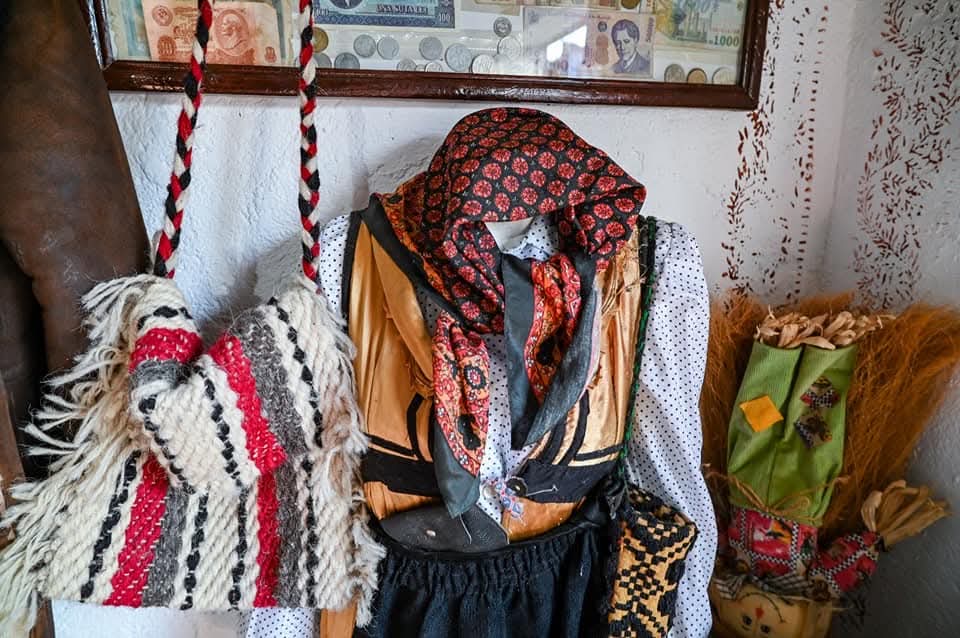
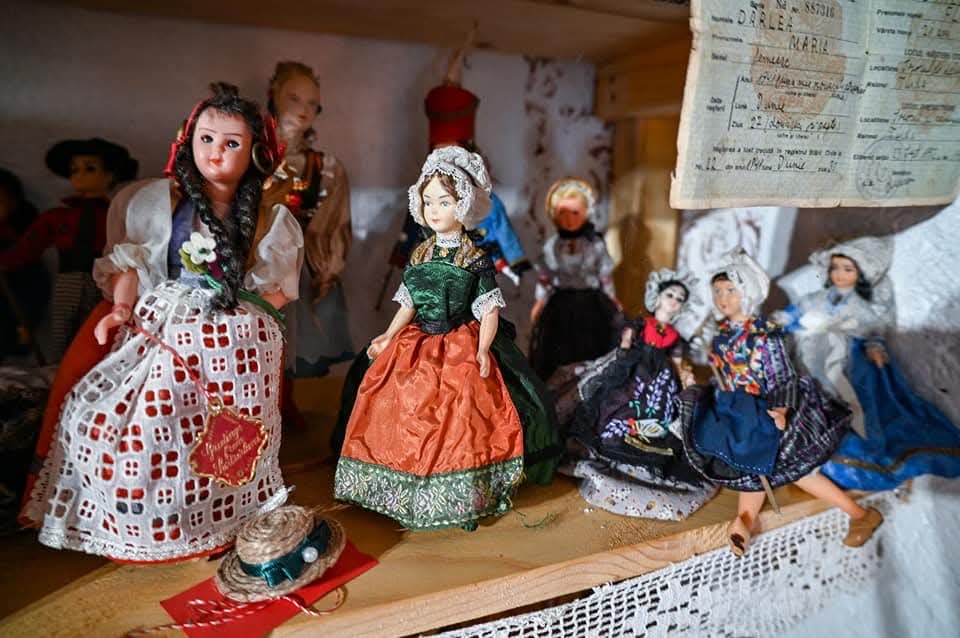
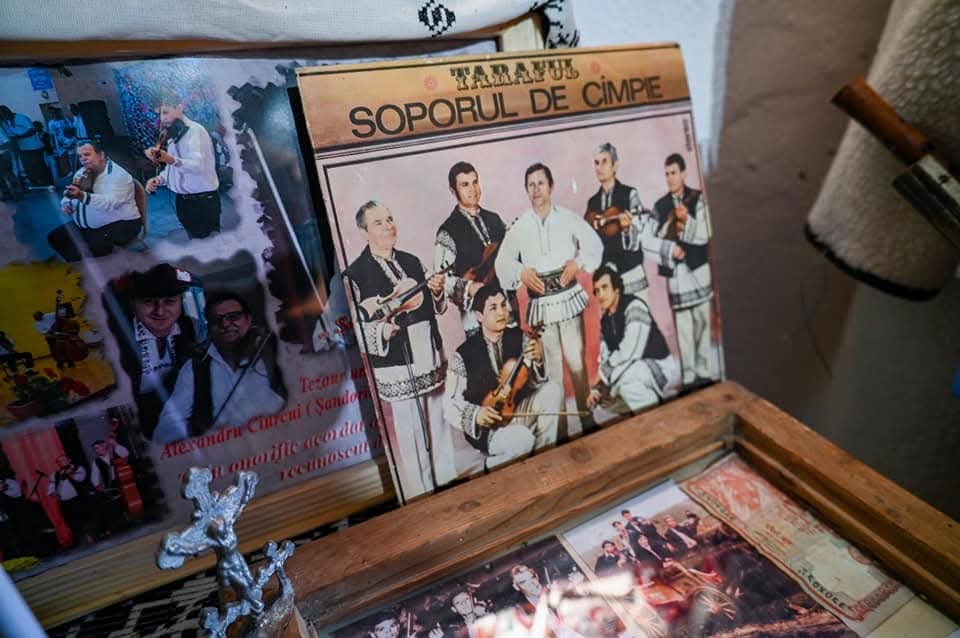
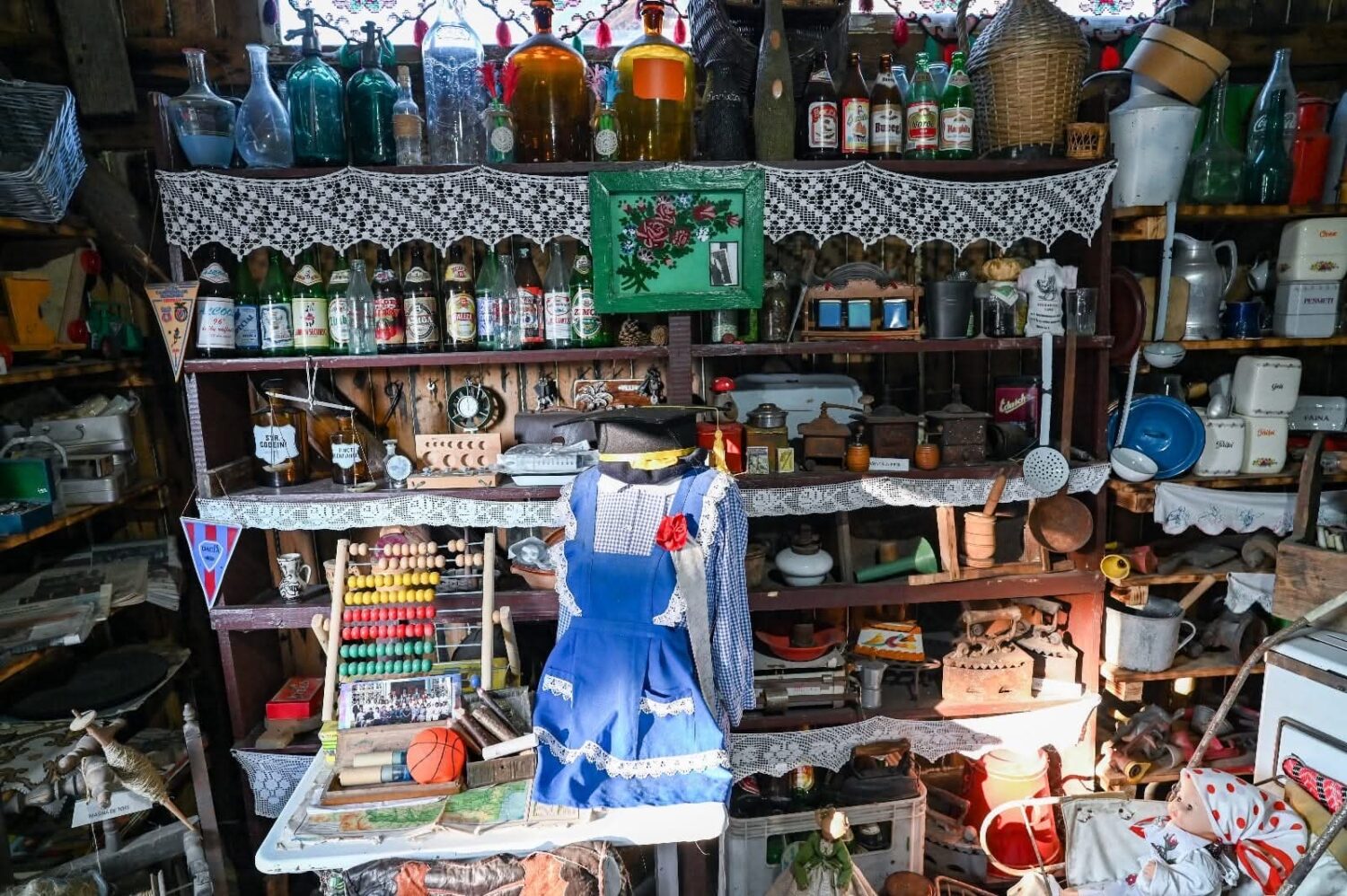
The Collective Memory Point is a cultural center that includes an exhibition of local heritage and memory prepared together with the local community, as well as educational spaces where cultural and educational activities will take place. The exhibition concept is based on the use of scenography elements that, together with the exhibited objects and multimedia devices, create a contemplative atmosphere, at the same time providing visitors with an immersive experience in the cultural and everyday reality of the Vad commune.

Through the implementation of this concept, the aim is to immortalize some customs and occupations that have disappeared or are about to disappear, such as the gathering, sheep herding, wheat wreath, traditional mowing as well as other social and religious traditions.  

The exhibition occupies the three rooms of the building, each room illustrating a main theme and several sub-themes that outline the cultural and social reality of the Cluj commune.

The first room – S1 – has the theme „Rhythms” The name of the theme highlights the presence of rhythm in all aspects of rural life, finding rhythmicity in the scythe movements, the sounds of animal bells, the knock of the mallet, the kneading of dough, the milking of animals, the beating of iron, the wood carving, the loom (a device used to weave cloth and tapestry), folk music and even the sign of the cross. Regionalisms are accentuated in the quotations displayed on the walls of the exhibition, precisely to better introduce visitors to the atmosphere of the place.  

The central room – S2 – has as its theme „The Regime of nature” and hosts works of artistic installation type by the artist Alex Mirutziu. The works are exhibited in boxes, such as light boxes, anchored in the ceiling of the hall. Along with the objects, texts belonging to the artist and relevant images are also rendered through these light boxes.

Room S3 with the theme „Between Two Worlds” captures aspects of childhood, both present and past. The theme is supported by means of seven objects donated by a total of seven children, objects representative of the children’s current concerns. Historical information related to children and childhood consists of testimonies collected from villagers and rendered through quotes and photographs.

On the porch of the building there are olfactory sensory devices that contribute to sketching the olfactory portrait of the commune. Currently, in the olfactory devices there are: incense, thyme, lucerne, smoked sausage, fried onions.