



Palazzo diocesano ortodosso

The Diocesan Palace of the Metropolitanate of Cluj, Maramureș and Sălaj was built in 1887 as the headquarters for the State Forestry Administration during the Austro-Hungarian monarchy. Between 1918-1933 it was the headquarters of the Forestry Directorate, and after 1933 the building was transferred by the Romanian state to the patrimony of the Orthodox Episcopacy of Vad, Feleac and Cluj, since the Episcopal Cathedral had been built nearby.

The building is located on the eastern side of Avram Iancu Square and is made in neoclassical style with two massive towers that stand out in the architectural structure of the area, the main entrance being flanked by four doric columns that support the balcony above.

Zona umida “La Poduri”

The La Poduri wetland, located at 1600 m altitude is included in the Gilău-Muntele Mare Mountains group and is located, administratively, in the Valea Ierii commune. It covers an area of ​​approx. 20 ha, being an oligotrophic peatland, formed by the accumulation of peat in conditions of high humidity and acid soil.

Rare plant species grow here, such as the sky dew, a carnivorous plant adapted to nutrient-poor soils. The area is important for biodiversity and offers a spectacular landscape, with vegetation specific to high-altitude swamps.

A thematic trail has been set up in the La Poduri wetland area, destined for tourists and created to stimulate the practice of sustainable tourism.

Albero di Sequoia

Sequoia trees stand out both for their size and appearance, as well as for their impressive lifespan (up to 5,000 years). At maturity, these giant trees can reach a height of 145 meters, with a trunk circumference of 38 meters.

The famous Sequoia tree of Rogojel is located just 80 kilometers from the city of Cluj-Napoca, between the villages of Săcuieu and Rogojel at the foot of the Vlădeasa massif. It was planted by Baron Gal Silvestru, who was a great enthusiast of dendrology. Today the tree is approximately 40 meters high, dominating Dealul Domnului where it has been located for more than a century.

Palazzo della stazione ferroviaria

The Cluj-Napoca Railway Station Palace is one of the most representative buildings of the city, marking its transformation into a modern urban space. The foundation stone of the building was laid on January 7, 1869, and the station was inaugurated in the fall of 1870, when the first train on the Oradea-Cluj route arrived at the station.

In 1902, a new building of the railway station was built, in eclectic style, dominated by a hall that is still the transit space between the station platform and the city. The fundamental artistic element of the Railway Station Palace is the large glazed portal, rounded at the top, corresponding to the hall space, a specific element of the great European Railway Stations.

Museo MINA Cluj

Indirizzo: Via Orăștiei, 10, Cluj-Napoca

E-mail: [email protected]

Web: www.minamuseum.com

Orario: mercoledì – venerdì: 12:00 – 21:00, sabato – domenica: 10:00 – 21:00

MINA, Museum of Immersive New Art è il più grande centro d’arte immersiva d’Europa. Con una superficie di oltre 4.000 mq, interni ed esterni, MINA offre ai visitatori un’esperienza multisensoriale attraverso proiezioni a 360° e installazioni interattive.

Il pubblico può esplorare l’universo degli artisti classici o contemporanei, ma anche viaggiare verso mondi affascinanti attraverso spettacoli educativi che svelano i misteri del cosmo e di altri mondi difficili da raggiungere.

Dedicato a tutte le età, MINA Cluj offre una combinazione di arte e tecnologia che ispira, sorprende e affascina. Proiezioni monumentali e installazioni interattive per bambini regalano ad ogni visitatore un’esperienza memorabile.

Palazzo Babos

Il Palazzo Babos è uno degli edifici più rappresentativi di Cluj della fine del XIX secolo. Il palazzo fu costruito a forma di lettera V e appartiene, insieme ai palazzi Elian, Berde e Szeki, al complesso architettonico che incornicia il ponte Horea. È stato progettato dall’architetto di Cluj Pákey Lajos e porta il nome del primo proprietario: Babos Sandor. Si tratta di un edificio monumentale che combina elementi di architettura eclettica appartenenti allo stile neogotico e art nouveau. Il palazzo aveva la funzione di edificio commerciale, con diverse botteghe operanti al piano terra. Al piano superiore, fino al 1944, si trovava la Gilda delle Belle Arti, sotto il patronato della Chiesa Riformata.

Museo Clyde Town

Indirizzo: Rue Valea Radului, s..n., Cluj-Napoca

Telefono: (004) 0751-616.094

Web: https://clydetown.ro

Orari: Venerdì – Domenica: dalle 12:00 alle 21:00, dal mercoledì al giovedì, visite possibili su appuntamento in gruppo organizzato di almeno 20 persone

Clyde Town è organizzato come un museo a cielo aperto, unico in Romania, con vecchi edifici tipici in legno (negozio, banca, chiesa, fucina o ufficio dello sceriffo) e strade pavimentate, che ricreano l’atmosfera dell’epoca dei saloni a ovest del Mississippi. Inoltre, questa tipica cittadina del Far West americano comprende un parco di giochi per bambini e un’area fast food e si estende su una superficie di 3.000 metri quadrati.

Iancului Cross from Mărișel

Crucea Iancului Mărișel, monument dedicat memoriei lui Avram Iancu, simbolizează rezistența și lupta pentru libertate

Iancului Cross is a monument commemorating the sacrifice of the Mărișel locals and the troops led by Avram Iancu’s tribuns in the battles of March 12 and July 6, 1849. In 1924, brothers Gavril, Ioan and Vasile Crișan built a first monument, a wooden cross , on the 100th anniversary of the Avram Iancu’s birth (1824-1872); this cross was replaced by a stone one which, during the hortyste administration, was removed and hidden in the village. After the restoration of the Romanian administration in 1944, the locals, together with the Someș battalion reservists from Beliș, built a new crucifix on the place where those two monuments were. It has become the place where, every year, the moți people from the Mărișel area are celebrating their heroes.

The monument of the Bobâlna Uprising

Monumentul Răscoalei de la Bobâlna comemorează revolta țărănească din 1437, simbol al luptei pentru dreptate și libertate.

The Bobâlna Uprising (1437-1438) was the most important revolt movement in the Hungary Kingdom before the peasant war led by Gheorghe Doja. On the hill near the village, which was the highest area of ​​the region, the rebels set up camp. The uprising spread throughout Transylvania, with the city of Cluj joining this movement. In the first months of 1439 the revolt was defeated, its leaders being executed in Turda. In memory of those who sacrificed themselves to defend the rights of the inhabitants of this area, a monument was built on the hill where the rebel camp was.

Il Punto della Memoria Collettiva di Vad

Punctul de Memorie Colectivă din Vad, un spațiu dedicat expunerii obiectelor și informațiilor istorice locale, păstrând amintirea tradițiilor și valorilor comunității

Indirizzo: Via Mănăstirii, n. 28, comune di Vad

Orario: Lunedì–Giovedì: 8:00 15:00, Venerdì: 8:00 13.00, Sabato e Domenica: su richiesta.

Telefono: (004) 0766-650.312

E-mail: [email protected], [email protected]

Web: https://matterport.com/discover/space/JxHKc8Yi7kd

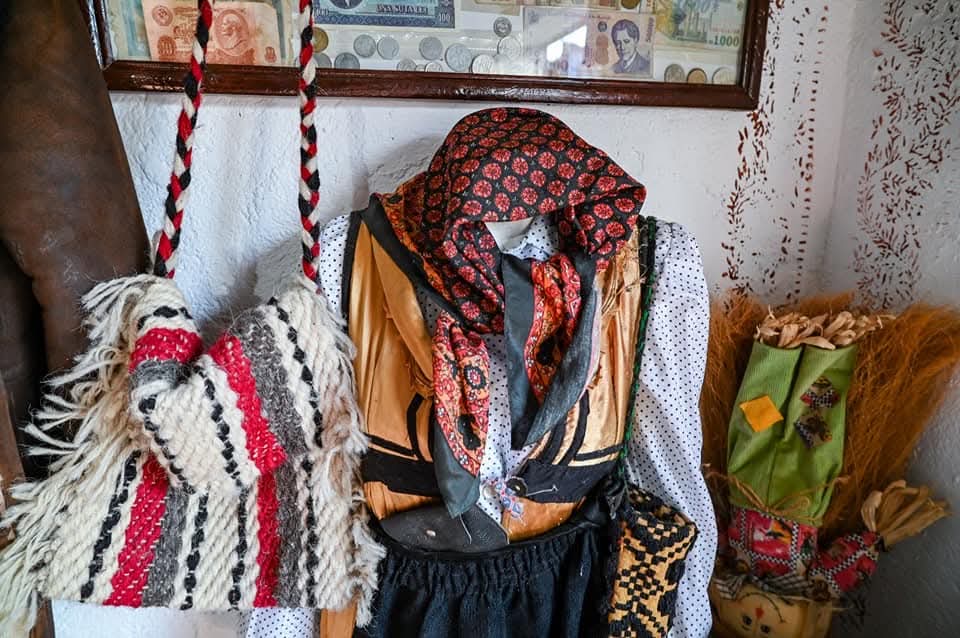
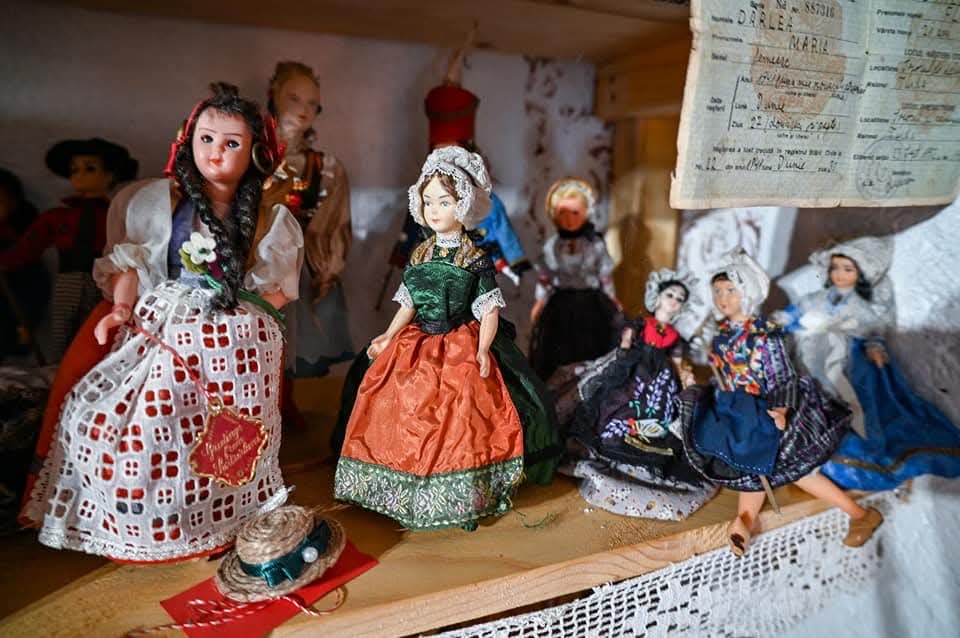
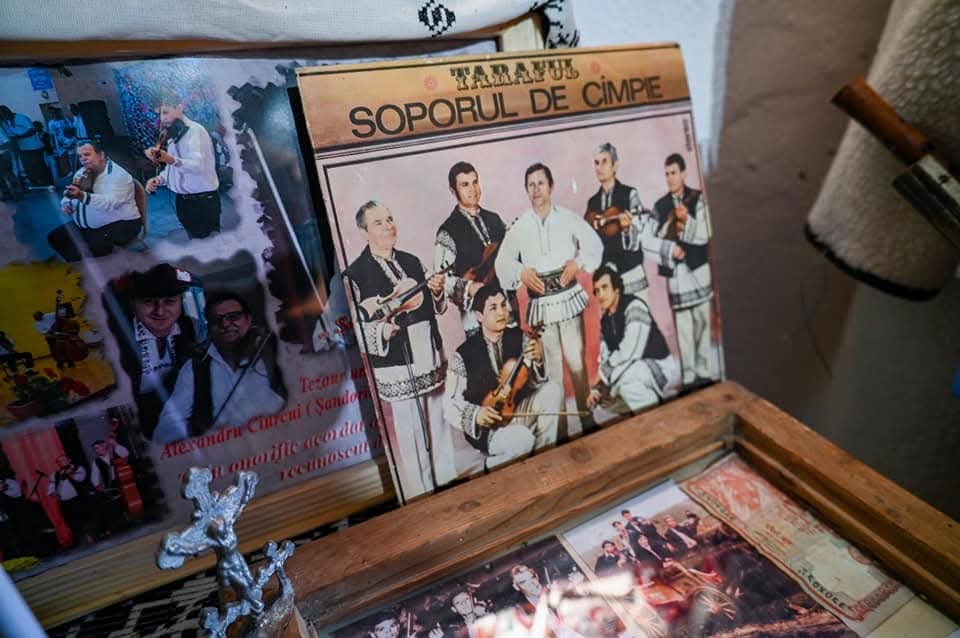
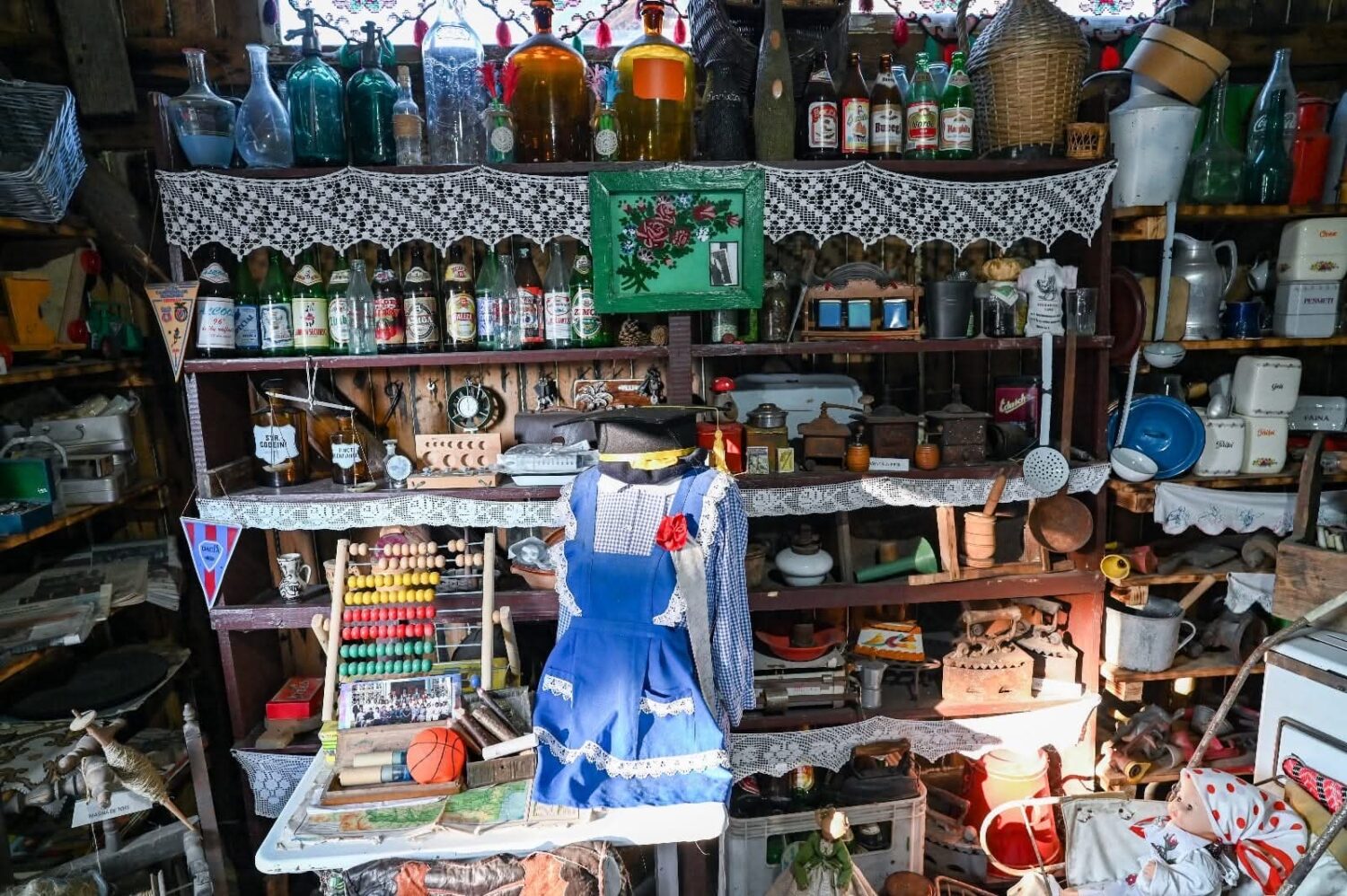
Il Punto della Memoria Collettiva è un centro culturale che comprende una mostra del patrimonio e della memoria locale preparata insieme alla comunità locale, nonché spazi educativi in ​​cui si svolgeranno attività culturali ed educative. Il concept espositivo si basa sull’utilizzo di elementi scenografici che, insieme agli oggetti esposti e ai dispositivi multimediali, creano un’atmosfera contemplativa, offrendo allo stesso tempo ai visitatori un’esperienza immersiva nella realtà culturale e quotidiana del comune di Vad.

Implementando questo concetto, l’obiettivo è quello di immortalare alcune usanze e occupazioni che sono scomparse o stanno per scomparire, come il raduno dei contadini, la riproduzione delle pecore, incoronare il grano, la falciatura tradizionale, così come altre tradizioni sociali e religiose.

La mostra occupa le tre sale dell’edificio, ciascuna delle quali illustra un tema principale e diversi sottotemi che delineano la realtà culturale e sociale del comune di Cluj.

La prima sala – S1 – ha per tema “Ritmi”. Il nome del tema evidenzia la presenza del ritmo in tutti gli aspetti della vita contadina, ritrovando ritmicità nei movimenti della falce, il suono delle campane degli animali, nel l’impasto della pasta, la mungitura degli animali, la battitura del ferro, l’intaglio del legno, la tessitura del telaio, la musica popolare e anche il segno della croce. I regionalismi si accentuano nelle citazioni esposte sulle pareti della mostra, proprio per introdurre meglio i visitatori nell’atmosfera del luogo.

La sala centrale – S2 – ha come tema “Il regime della natura” e ospita opere di installazione artistica dell’artista Alex Mirutziu. Le opere sono esposte in scatole luminose ancorate al soffitto della sala. Insieme agli oggetti sempre attraverso scatole luminose vengono riprodotti testi appartenenti all’artista e immagini rilevanti.

La stanza S3 con il tema “Tra due mondi” cattura aspetti dell’infanzia, sia presenti che passati. Il tema è sostenuto attraverso sette oggetti donati di sette bambini, oggetti rappresentativi delle preoccupazioni attuali dei bambini. Le informazioni storiche legati ai bambini e all’infanzia sono costituite da testimonianze raccolte dagli abitanti del villaggio e rappresentati attraverso citazioni e fotografie.

Sul portico dell’edificio sono presenti dispositivi sensoriali olfattivi che contribuiscono a tratteggiare il ritratto olfattivo del comune. Attualmente negli apparati olfattivi sono presenti: incenso, timo, erba medica, salsiccia affumicata, cipolla tostata.